Humidity and Its Measurements
16th November 2018
Humidity is one of those environmental factors that affects almost every industry, yet the way it is measured and expressed is not always well understood. This post covers the basics: what humidity actually is, how it behaves in air, and what the three main measurement types mean in practice.
What Is Humidity?
Humidity refers to the presence of water vapour in air. Water vapour is simply water in its gaseous form — normally invisible, and making up around one percent of the air around us under typical conditions.
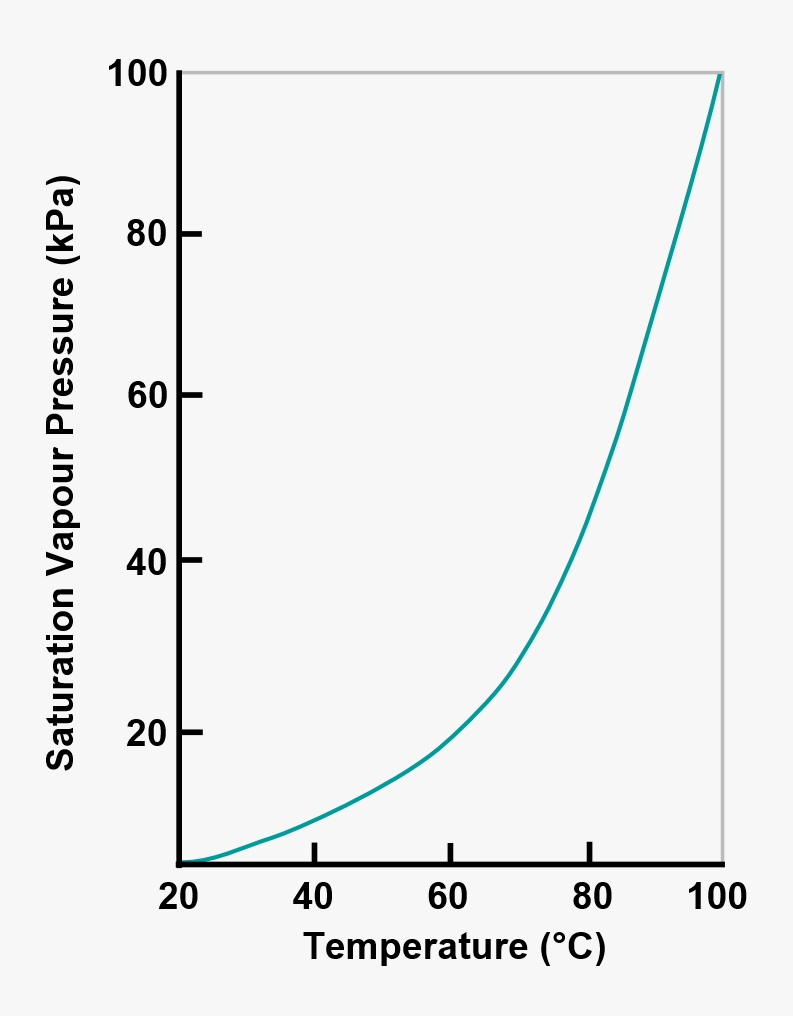
Air has a capacity to absorb water vapour, and that capacity is primarily determined by temperature. The warmer the air, the more water vapour it can hold. When air contains the maximum amount of water vapour it can carry at a given temperature, it is described as saturated.
The Three Main Measurements
There are three ways humidity is commonly measured and expressed, each useful in different contexts.
Relative humidity
Relative humidity, expressed as a percentage, describes how much water vapour the air is holding relative to the maximum it could hold at that temperature. Air at 50% relative humidity contains half the water vapour it would need to reach saturation. At 100% relative humidity, the air is fully saturated.
Because warm air can hold more water vapour than cold air, the same absolute amount of moisture will produce a higher relative humidity reading in cooler air than in warmer air. This is why relative humidity is always tied to temperature, and why it is the most commonly used measurement in humidity control applications.
Absolute humidity
Absolute humidity is a direct measure of the actual amount of water vapour present in a given volume of air, expressed in grams per cubic metre. Unlike relative humidity, it makes no reference to temperature or the air's capacity. As a rough guide, air at around 30°C can hold a maximum of approximately 30 grams of water vapour per cubic metre.
Absolute humidity is useful where you need to know the actual water content of the air independently of temperature conditions.
Specific humidity
Specific humidity is closely related to absolute humidity but is expressed as the weight of water vapour per unit weight of air, in grams per kilogram. The distinction is subtle: absolute humidity uses volume as its reference, specific humidity uses mass. In most practical humidity control contexts the two are treated similarly, but specific humidity is particularly useful in engineering calculations where air mass rather than air volume is the relevant variable.
Why It Matters
Getting humidity right in an industrial or commercial environment depends on understanding which measurement is most relevant to your application. Relative humidity is the standard reference point for most humidification and climate control work, but absolute and specific humidity become important when designing systems or calculating moisture loads accurately.
For information on how dry fog humidification systems can help you maintain precise humidity levels in your facility, visit our Humidification Systems page.